Previous
Next
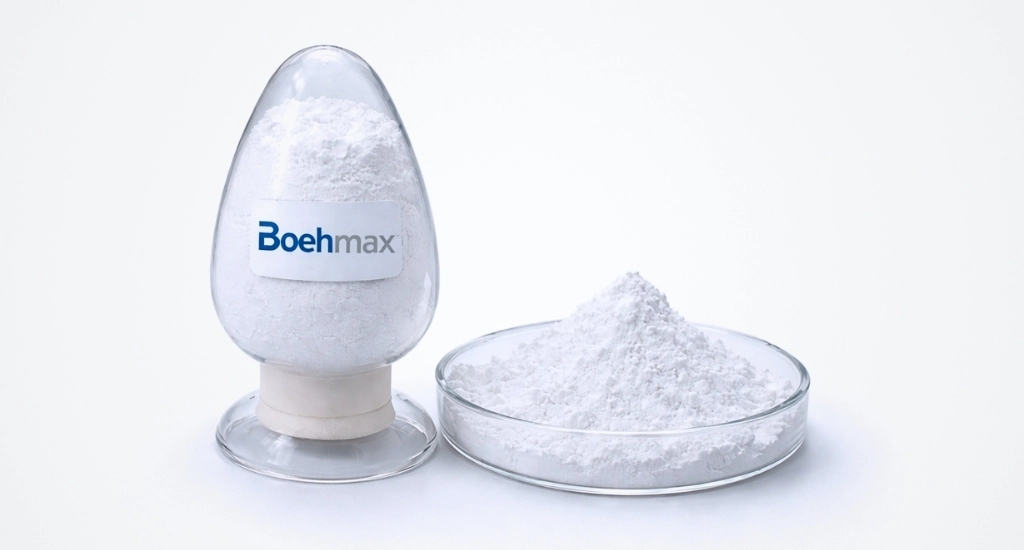
High-Gloss Ink Receptive Boehmite
Catalog No.: JYS-1012 CAS: 1318-23-6 EINECS: 215-284-3
Solution grade for Medical Imaging Films, Premium Photo Paper & Fine Art Media.
Best Fit For
Imaging coating formulators who need high gloss + low haze without sacrificing color density, clarity, and coating strength, especially in medical imaging films and premium glossy media.
What We’re Solving
• Gloss looks dull / haze causes “milky” appearance
• Fine details look soft (poor edge definition)
• High gloss causes unstable ink absorption or uneven drying
• Coatings scratch easily or wrinkle during converting
KPI Targets
• High Gloss (brighter, vivid appearance)
• Low Haze / Clear Images (diagnostic clarity / photo clarity)
• Fine Detail Reproduction (sharpness, edge definition)
• Stable Color Density
• Coating Strength & Wrinkle Resistance for processing
Coating-System / Mechanism
JYS-1012 is engineered as a dispersible boehmite for premium imaging coatings, enabling optical performance tuning for high gloss + low haze, balanced ink absorption for stable ink uptake without haze penalty, and binder/additive compatibility for stable dispersion and coating uniformity. Think of it as a material choice for the top/ink-receiving layer where surface micro-texture and optical scattering control directly drive gloss and haze.
Recommended Applications
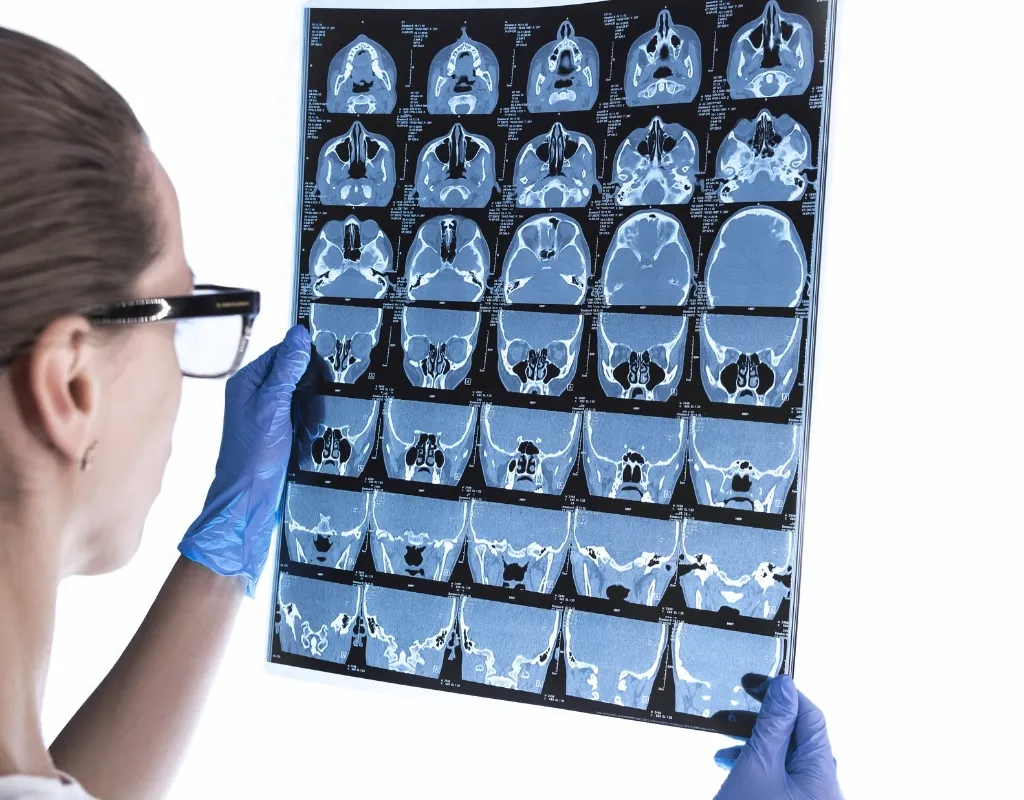
• Medical Imaging Films (Primary): X-ray and diagnostic imaging outputs
• Premium glossy inkjet photo paper / RC paper
• High-end inkjet canvas & art papers (gloss / semi-gloss finishes)


Engineering Notes
• Designed for premium imaging coatings where gloss/haze are critical
• Works well in systems requiring balanced absorption + optical clarity
• Dispersible grade with broad compatibility with common binders/additives
Recommended Use Range
• Recommended solid content in coating: 5–20% (system-dependent)
• Typical addition level: 10–40% of pigment portion
• Target coating weight: 4–12 g/m² for premium imaging media
• Best results when surface smoothness and optical clarity are prioritized (gloss/low haze).
Note: values are for reference only and should be validated per substrate/ink system.
Typical Coating Layer Role
Layer / Position | Purpose in the Coating System |
Top layer / Optical layer (gloss & haze control) | Maximize gloss, reduce haze, enhance clarity and surface smoothness |
Ink-receiving layer (premium) | Provide balanced absorption without sacrificing optical performance |
Key Indicators
Application KPI | Technical Drivers |
High gloss / bright appearance | Controlled surface micro-texture & optical scattering behavior |
Low haze / clear images | Balanced pore/structure design to reduce unwanted light diffusion |
Fine detail reproduction | Uniform coating + controlled ink spread |
Stable Color Density | Consistent ink fixation and ink hold-up |
Scratch / wrinkle resistance | Good coating strength and stable binder interaction |
Key Technical Indicators (Customization Available)
Indicator | Typical Spec / Range |
Particle size (wet, nm, d50) | 100–120 |
Specific surface area (m²/g) | 110–130 |
Pore volume (cc/g) | 0.70–0.85 |
Gloss (60°) | 50–55 |
Color Density | C ≥ 0.5; M ≥ 1.65; Y ≥ 1.1; K ≥ 2.20 |
Proof & Typical Results
Typical improvement directions
In imaging-grade coating systems, JYS-1012 is typically associated with:
• higher surface gloss with reduced haze tendency
• improved image clarity and detail reproduction
• stable Color Density without sacrificing optical cleanliness
How customers validate
Most teams validate performance using:
• gloss (60°/75°), haze
• Color Density / gamut
• sharpness / dot gain (test patterns)
• rub/scratch resistance for converting suitability
Optimization notes
Performance depends strongly on coating structure. Best results are often achieved when:
• JYS-1012 is positioned as a top optical layer pigment
• absorption is balanced by ink-receiving layer design (single or multi-layer)
• coat weight is optimized to achieve target gloss/haze at efficient loading
Need grade recommendations or technical support? Tell us your application, target substrate, and desired KPIs. We typically respond within 24 hours. |