Previous
Next
Digital Inkjet Printing
High-absorbency and fast-drying boehmite materials designed to control ink absorption and image stability across high-speed, variable, and short-run digital inkjet printing systems.
Industry Overview
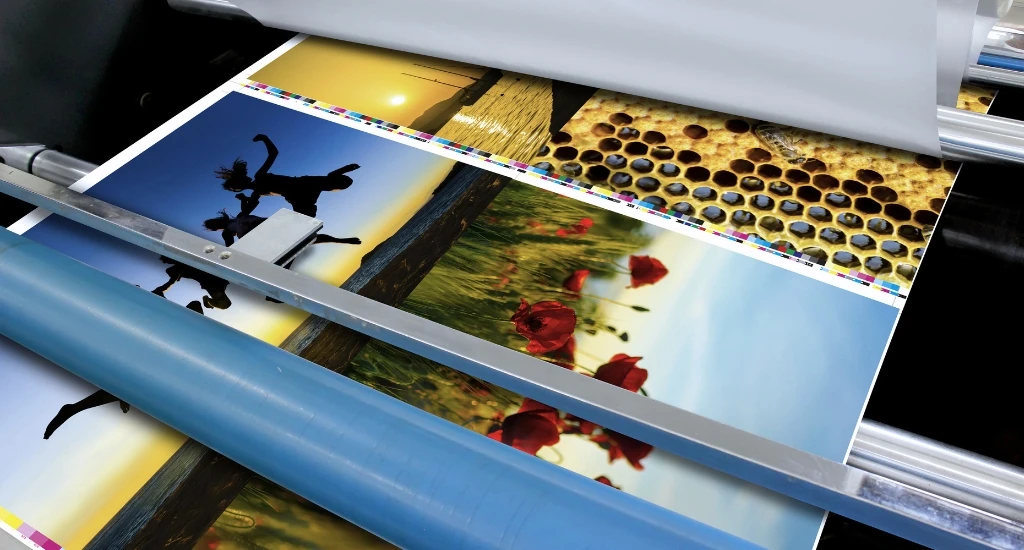
Digital inkjet printing requires precise ink control and consistent image quality, particularly in short-run, variable data, and high-speed applications.
Typical Applications
• Commercial digital printing
• Variable data printing (VDP)
• Short-run and multi-batch production
• High-speed inkjet paper
Key Challenges
• Ink spreading at high speed
• Inconsistent color density
• Limited drying window
Our Role
By controlling ink penetration and lateral spread, our materials improve color density, image sharpness, and process stability across a wide range of digital inkjet systems. Optimized ink control contributes to lower ink consumption and reduced material waste, particularly in short-run and variable data printing.
Recommended Grades
JYS-1010 →, JYS-4535 →, More Grades Recommended →
FAQ
Q1. How does boehmite help control ink absorption and dot gain?
A. Boehmite enables controlled ink penetration and limits lateral spread. This reduces dot gain and improves edge definition, leading to sharper text, clearer graphics, and more stable image quality.
Q2. What benefits does boehmite provide for high-speed digital inkjet printing?
A. High-speed printing shortens the drying window. Boehmite helps by accelerating ink uptake and immobilization, supporting consistent color density and reducing defects such as smearing or uneven drying at production speeds.
Q3. Does coating performance affect variable data printing accuracy?
A. Yes. Controlled ink behavior supports consistent dot formation and edge definition, which is critical for barcode readability and personalized content accuracy.
Q4. How does ink fixation affect color density and image sharpness?
A. Ink fixation determines how quickly and uniformly ink is immobilized after printing. Effective fixation limits lateral ink spread and reduces dot gain, enabling higher achievable color density and improved edge definition. Boehmite-based porous structures support rapid ink uptake and stabilization, contributing to sharper images and more consistent tonal performance.
Q5. Is boehmite suitable for variable data printing (VDP) media?
A. Yes. VDP demands stable performance across frequent job switching and short runs. Controlled ink behavior and consistent surface performance help maintain print quality and reduce waste caused by reprints.
Q6. How does boehmite help reduce reprints in digital inkjet production?
A. Stable ink absorption and fixation improve image consistency, reducing defects related to spreading, uneven drying, and density variation that often lead to reprints.
More Applications →
Need grade recommendations or technical support? Tell us your application, target substrate, and desired KPIs. We typically respond within 24 hours. |